
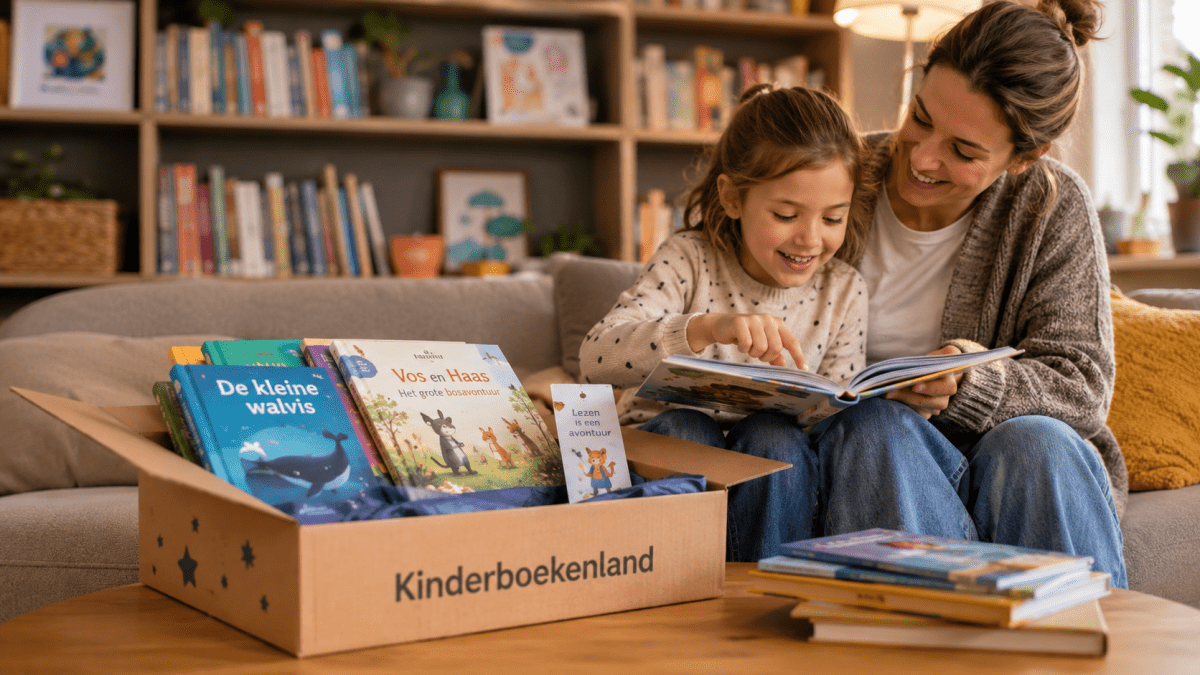
Does this sound familiar? You buy a nice children's book, but it unfortunately remains unopened on the nightstand. As soon as reading becomes a 'must' from school, a struggle quickly arises at the kitchen table. Moreover, when a child doesn't want to read, it often brings concerns about language development and school results.
That's completely understandable, but don't panic: almost every child in primary school goes through a phase where reading motivation temporarily wanes. Fortunately, with the right approach, you can quickly turn "having to read" back into "wanting to read." In this article, we therefore share 5 practical tips from the reading specialists at Kinderboekenland to restore reading enjoyment at home.
📌 Table of Contents
Tip 1 if your child doesn't want to read: Let go of 'AVI pressure' for a while
At school, children often have to read books at a specific AVI level. At home, however, they can relax. After all, if a child doesn't want to read, it's often due to performance pressure. Therefore, allow your child to read comic books, fact books, or books below their own level at home. The goal is for them to experience pleasure, not to pass a test.
Tip 2: Make reading together a daily ritual
Take turns reading a page (you read a page, your child reads a page). This is called 'shared reading' or 'theater reading.' This takes the pressure off. Then, turn reading into a cozy, relaxing moment together on the couch instead of an obligation.
Tip 3: Create a cozy reading nook
A good atmosphere works wonders for motivation. A few comfortable pillows, a well-chosen flashlight, and a cozy corner make it much more appealing for a child to curl up with a book.
Tip 4: Vary subjects and genres when your child doesn't want to read
Sometimes a child doesn't hate reading, but simply finds the current books boring. Try experimenting with adventure stories, joke books, animal facts, or graphic novels.
Tip 5: Use the 'Surprise Factor' (The Kinderboekenland Reading Subscription) 🎁
Did you know that the biggest hurdle for parents is the constant search for new, suitable books? A library book can sometimes be worn out or not quite align with the child's current interests.
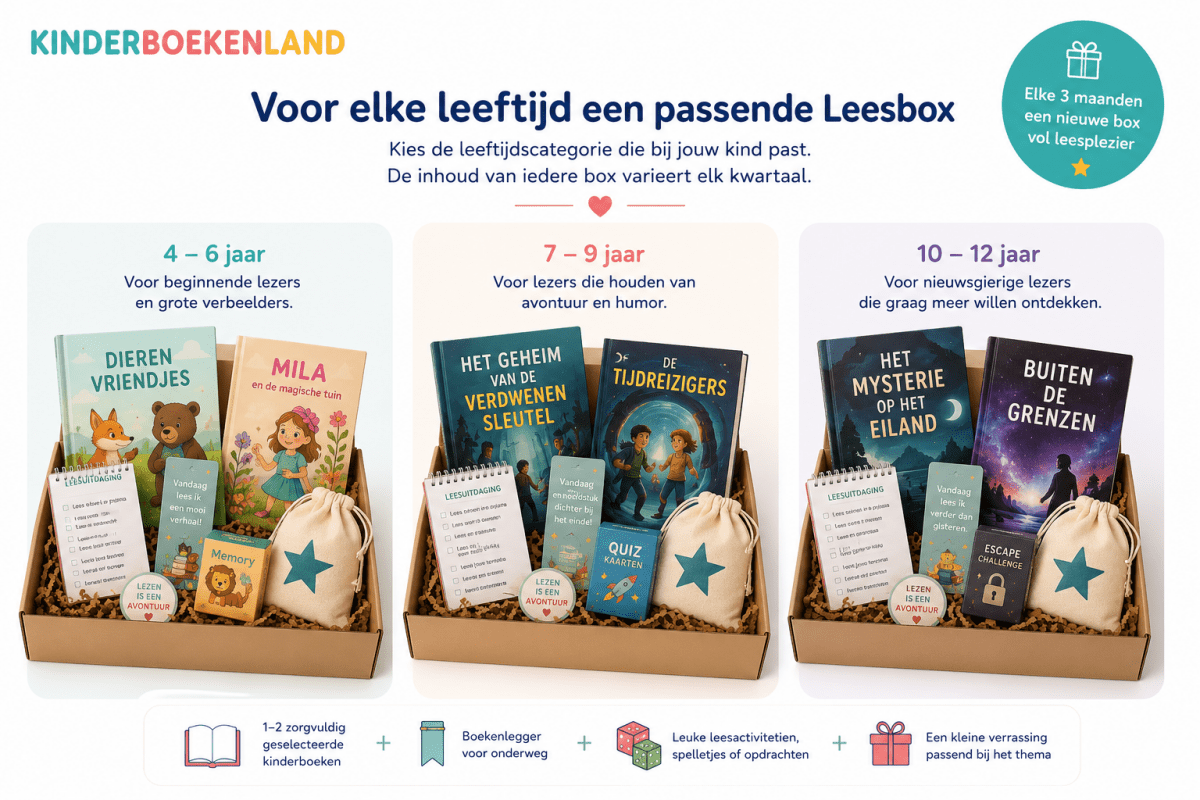
Fortunately, children love unwrapping presents. When we deliver a book package every quarter specifically in their name, for their age, and at their reading level, the perception of reading immediately changes from "having to" to "discovering."
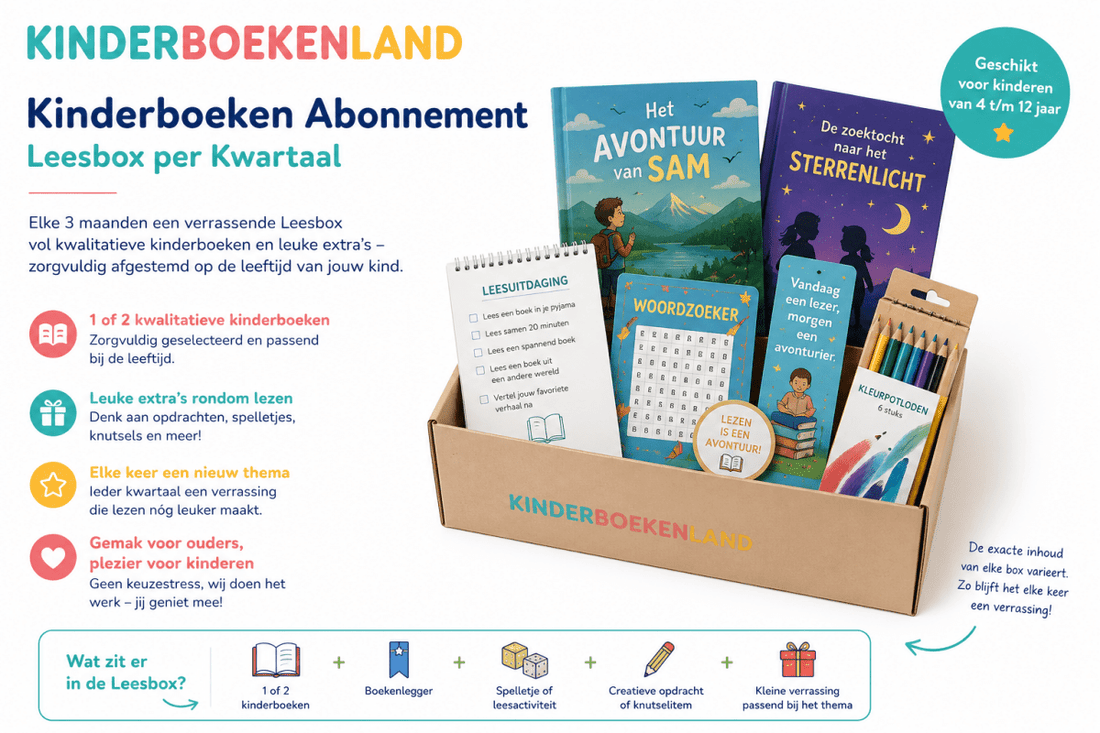
Why the Kinderboekenland Reading Box works according to reading specialists:
- It's not 'homework': It's a periodic reading gift that sparks curiosity and a love for reading.
- 100% Tailored to level: Our experts carefully select children's books based on the child's age, interests, and reading development.
- Smart shipping: Depending on the size and thickness of the books, we send the package as a convenient letterbox package or a well-filled box.
- Carefree for parents: This eliminates the stress of choosing books in stores or libraries.
👉 Discover the Quarterly Children's Book Subscription
❓ Frequently asked questions when a child doesn't want to read
How many minutes per day should a child read for effective reading development?
Research shows that 10 to 15 minutes of daily reading during a fixed quiet moment already leads to a significant increase in vocabulary, better text comprehension, and higher reading motivation in primary school children.
What makes the Kinderboekenland book box a good solution if my child doesn't want to read?
The Kinderboekenland subscription combines the surprise element of a gift with the correct didactic alignment. We select books based on the child's individual reading level and interests. This significantly lowers the barrier to starting to read.
How do you send the Kinderboekenland children's book subscription?
The size of the shipment depends on the selected books and the thickness of that specific quarter's package. Depending on the contents, we send the package as a compact letterbox package or a larger book box.
What if my child already has a book received from the reading box?
At Kinderboekenland, you can easily and free of charge exchange a book already read or owned for another suitable children's book via our customer service.
Conclusion: Make reading a positive experience again
If your child doesn't want to read, it's usually a temporary sign that the current offering or approach isn't working. By reducing pressure, offering varied material, and providing regular reading surprises, every child will eventually discover the joy of books.


