
Do you want to increase a child's reading level and improve reading skills in primary school? It's a much-discussed topic in the news: the most recent PISA study shows that the reading skills of 15-year-olds in the Netherlands are sharply declining. Almost 40 percent of young people are at risk of leaving secondary school with low literacy because they struggle to understand basic texts.
The good news is that the foundation for strong reading skills, high reading speed, and a broad vocabulary is laid at a young age. By intervening in time and stimulating reading enjoyment, you can effortlessly increase a child's reading level.
📖 Table of Contents
With these 4 proven tips, you can specifically increase a child's reading level without it feeling like extra homework.
1. Increase a child's reading level through interest instead of AVI requirements
School sets clear rules regarding AVI levels, but at home, too much emphasis on level requirements often has the opposite effect. When a child only reads books at a "must-read" level, motivation quickly disappears. Read our guide on AVI reading levels and how to choose the right book to understand exactly how these levels work.
Research shows that children enter a positive reading spiral when they read about topics that genuinely fascinate them. A child who loves adventure, space travel, or animals will persevere more quickly with a book that is actually a step above their current level. This is an effective method if you want to increase a child's reading level in a natural way.
💡 Practical Tip: Let go of the AVI labels for a moment and focus on what your child enjoys. If the story is intriguing, reading development will follow naturally.
2. Use comics to improve reading skills
Do you think comics or books with many illustrations (like graphic novels) do not contribute to increasing a child's reading level? The opposite is true.
For children who don't enjoy reading or struggle with long passages of text, visual books are the ultimate solution:
- The combination of text and images helps with understanding the context.
- Shorter pieces of text lead to quick successes, which boosts self-confidence.
- They unconsciously build up necessary "reading mileage" that accelerates technical reading and reading comprehension.
3. Continue reading aloud to increase reading level
Many parents stop reading aloud as soon as a child starts reading their first sentences in group 3 or 4. This is a missed opportunity to avert a risk of low literacy later in life.
By reading aloud for 10 to 15 minutes daily from richer children's books that are just above their own reading ability, you build a larger vocabulary. This also indirectly helps to make increasing the primary school reading level achievable for every reader.
4. Ensure a continuous flow of surprising reading material
The biggest culprit in preventing a reading backlog is boredom. If the home bookshelf only consists of already read or outdated books, a child will quickly grab a screen in their free time.
To keep curiosity piqued and stimulate increasing a child's reading level, constant variety in genres (from gripping stories to informative books and facts) is essential.
The easy way to stimulate reading level
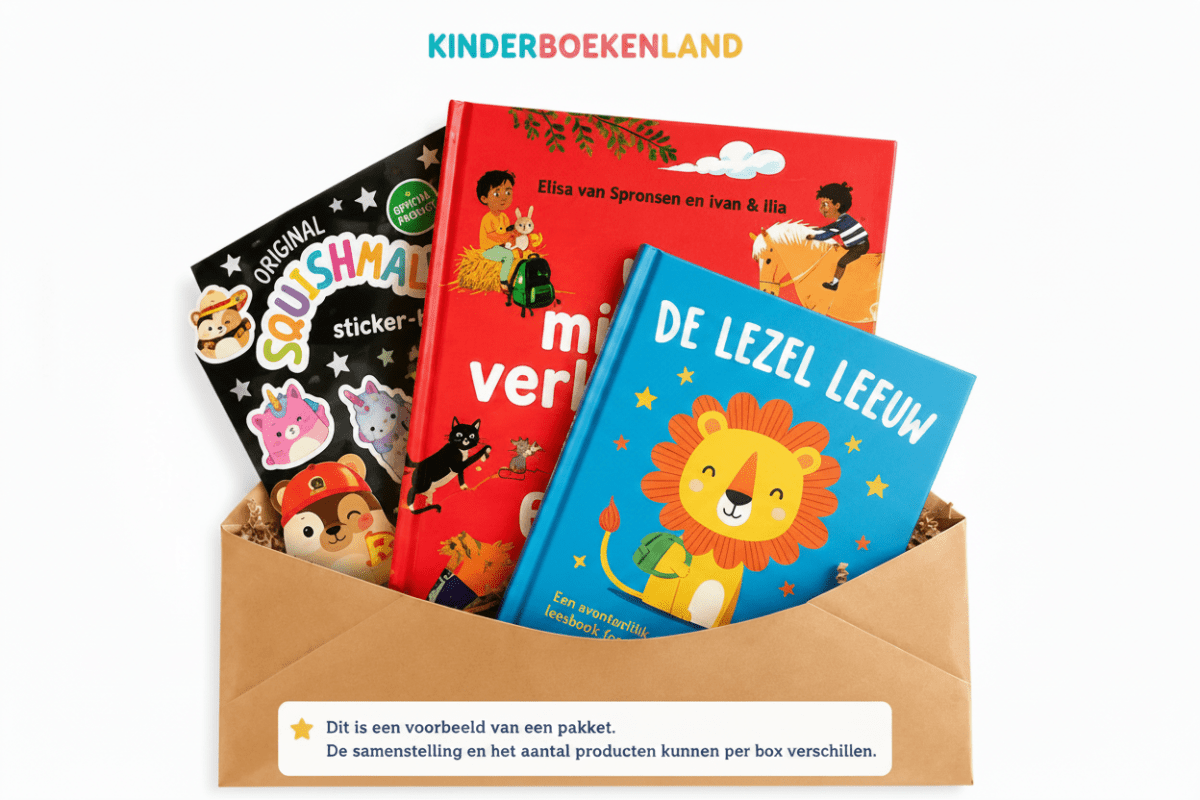
Do you want to help your child improve their reading skills, but don't have time to rush to the library or bookstore every week? With the surprise box from Kinderboekenland, you receive carefully selected, tailor-made books every quarter.
Discover the Quarterly Subscription →


