
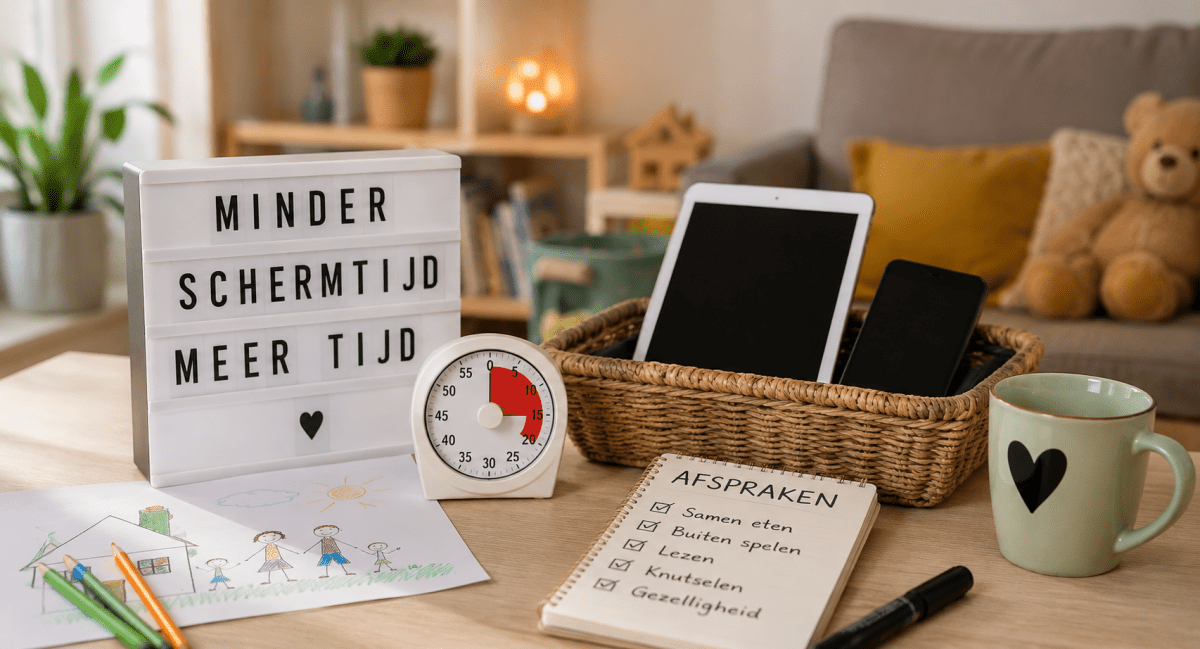
Like thousands of other parents, are you desperately asking yourself: how do I limit my child's screen time? You are definitely not alone. The allure of tablets, smartphones, and gaming consoles is enormous. Before you know it, dinner has long been ready, your child is still in a digital trance, and every attempt to turn off the iPad results in a major tantrum. As experts in reading promotion, we see daily what this digital overkill does to concentration and reading pleasure. Fortunately, it doesn't have to remain a daily trench warfare. With a well-thought-out approach, you regain control, and your child discovers that the real world is at least as exciting.
Table of Contents for this article
- 1. Why is stopping screen time so difficult for young brains?
- 2. Common pitfalls when limiting screen time
- 3. Practical step-by-step plan: How do I effectively limit screen time?
- 4. The smartest alternative: away with the digital trap, hello reading fun
- 5. Extended Q&A: All about screen time and behavior
- 6. Conclusion and getting started immediately
1. Why is stopping screen time so difficult for young brains?
Before you can effectively set boundaries, it's important to understand what's neurologically happening in a child. Modern apps, YouTube shorts, and games are perfectly designed to generate a constant stream of dopamine (the reward chemical). Every time a child completes a level or swipes a new video, the brain gets a quick hit.
When you, as a parent, then demand that the iPad be turned off immediately, you abruptly interrupt that reward cycle. The child's brain, which is still developing and struggles with self-regulation, reacts to this with pure frustration or emotional overload. So it's not a matter of unwillingness or manipulative behavior from your child; it's a biological reaction to an overstimulated system.

Peace at home begins with conscious choices and physical alternatives.
2. Common pitfalls when limiting screen time
Many parents try to tackle screen time with the best intentions but unknowingly fall into some classic traps that only exacerbate the struggle:
- Falling into the negotiation trap: Announcing that the tablet must be turned off in "two minutes" almost always leads to haggling ("Just a little longer with this video!"). This continuously blurs the boundary.
- Becoming the bad guy: If you are the one who physically snatches the iPad away, the anger is directed entirely at you instead of at the agreement.
- Not offering an alternative: Forbidding screens without offering something enjoyable in return inevitably leads to a black hole of boredom and complaining.
3. Practical step-by-step plan: How do I effectively limit screen time?
Do you want to create structural peace? Then apply the following professional methods to your daily routine:
- Visualize time with a timer: Use a physical kitchen timer or a visual clock. Not you, but the timer determines when the time is up. This immediately removes the struggle from you as a parent.
- Set fixed transition times: Ensure screens are never on immediately before bedtime or just before dinner. This gives the brain time to wind down.
- Maintain strict screen-free zones: Make the dining table, bedrooms, and car sacred territory where no phone or tablet is allowed.
4. The smartest alternative: away with the digital trap, hello reading fun
As soon as the tablet goes off, you'll soon hear: "But mom, I was playing an educational game!" Whether it's cheerful practice apps or digital school programs like Squla; however well-intentioned, it remains a blue screen that demands continuous attention and keeps the brain in the online trap.
To create real peace, you need to replace that digital dopamine with physical tangibility and genuine surprise fun. This is precisely why parents are massively switching to a children's book subscription. Every quarter, a magical, carefully curated book package arrives in the mail. Opening their own package triggers a healthy, real sense of anticipation and transforms reading from a "chore" into the most enjoyable moment of the day.
The ultimate offline alternative: books to look forward to.
5. Extended Q&A: All about screen time and behavior
Q: How much screen time per day is maximally responsible for a primary school child?
A: General guidelines from experts recommend up to 2 hours per day for young children, including television and educational programs. However, the context is much more important than the stopwatch: does screen time displace sleep, outdoor play, social contacts, or independent reading? If so, it's time to adjust.
Q: What should I do if my child throws a huge tantrum as soon as the iPad is turned off?
A: Remain calm and empathetic, but stick to your guns. Acknowledge the emotion ("I understand you're frustrated that your game is stopping now; it was very exciting"). Hand over control by using a kitchen timer and ensure a fun, tangible alternative is immediately available, such as a new book from a children's book subscription.
Q: Does educational screen time (like Squla) also count as actual screen time?
A: Yes. Although these programs are educational and useful at school, they strain the eyes and brain in the same intense way. They do not relax the child's brain but keep it in an active, digital state of stimulation.
Q: How do I encourage reading pleasure in a child who seems screen-addicted?
A: Start small. First, read together at a set time (e.g., before bedtime) and make discovering books an exclusive event by involving them in unpacking a surprise box.
6. Conclusion and getting started immediately
The daily question how do I limit my child's screen time? does not require a magic formula, but it does require clear frameworks, predictability, and wonderful offline alternatives. By controllably reducing digital stimuli and replacing them with the irreplaceable magic of real stories on paper, you create peace, connection, and a lasting love for reading at home.
Ready to break free from screen time with reading pleasure?
Automatically give your child the most enjoyable books every quarter.
View our children's book subscription →


